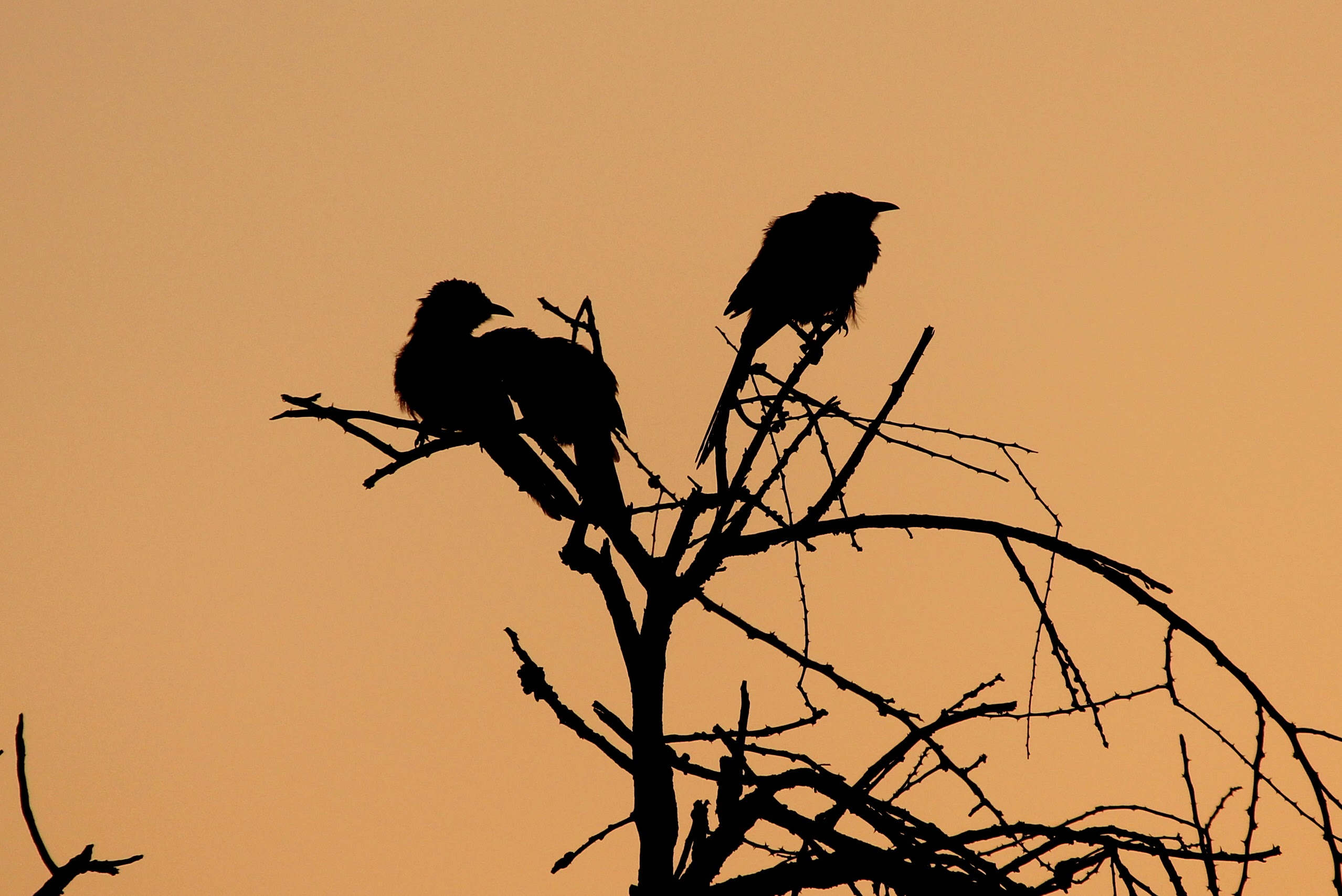
The desert becomes almost gentle in the short minutes before sunrise and sunset, even on the hottest summer days. A cool eastern breeze moves through the acacia trees, and the Edom Mountains in Jordan catch the first orange light. Walking through Shezaf Nature Reserve (see Map 1) at this hour can, for a moment, feel like walking through a dry savannah in East Africa: scattered trees, open ground, animal tracks, and the quiet movement of life before the heat takes over.
That moment does not last long. Soon after sunrise, the desert changes. The air thickens, the ground heats, and movement becomes costly. Birds fall silent. Dorcas gazelles stand in the shade of large acacias, motionless and alert, like delicate statues placed carefully under the trees. Spiny-tailed lizards emerge, absorb the heat, and remain close to their burrows. By midday, the landscape seems to hold its breath. Almost nothing moves.
This story begins in that narrow space between darkness and heat. It takes place under the acacia trees of the Arava, between the cool promise of dawn and the harsh limits of the day. This is the world of the Arabian babbler, a small desert bird whose social life has made it one of the most fascinating models for studying cooperation, survival, and change in extreme environments.
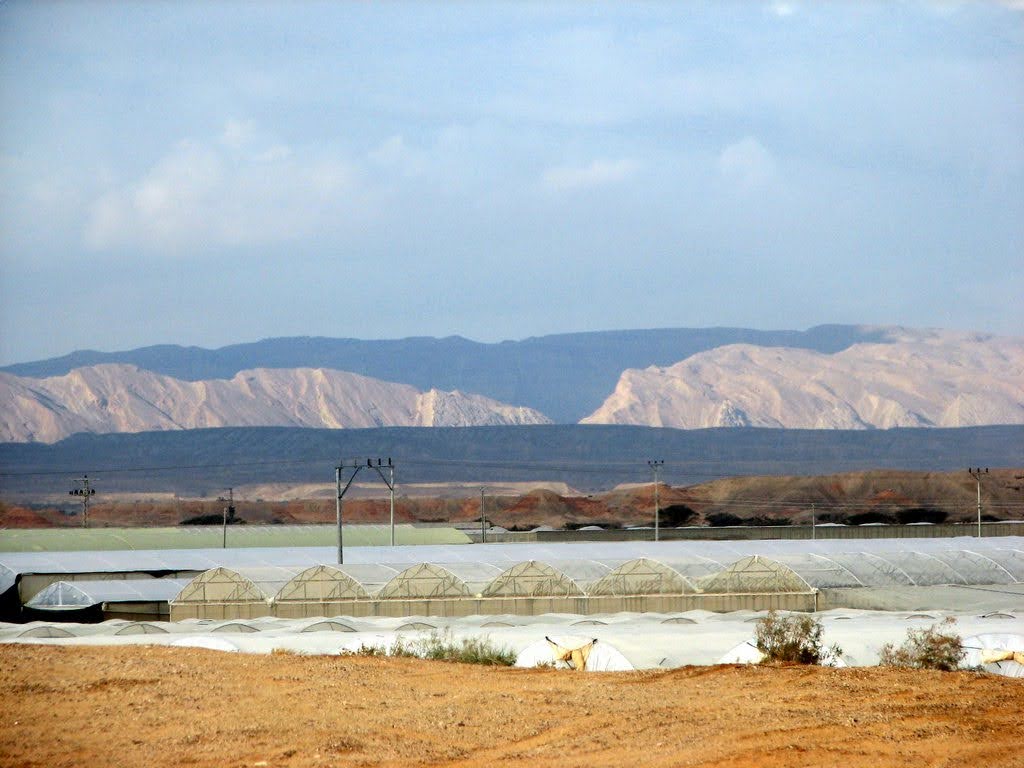
The Arava Valley stretching along the south-eastern border between Israel and Jordan, between the Dead Sea in the north and the Gulf of Aqaba in the south. Research is conducted between the agricultural villages of Idan, Hazeva, and Ein Yahav in the northern part of the region. The Sde Boker research station in the central Negev highlands provides an additional perspective on semi-natural habitat use.
Arabian babblers are small desert songbirds with an unusually rich social life. They live year-round in stable groups that defend a shared territory, roost together in regular roosting trees, and raise young cooperatively. In most groups, one dominant pair produces all of the offspring, while other group members help feed nestlings, guard against predators, maintain social bonds, and support the group's survival. This system has long served as a central model for studying cooperation and altruism in nature. From an evolutionary perspective, such behavior raises a classic question: why should an individual invest energy in helping others reproduce? One answer lies in kinship and social stability. Helpers may gain indirect fitness by supporting relatives, improve their chances of inheriting a breeding position, or benefit from remaining within a successful group. In harsh and unpredictable environments, cooperation may also act as a form of biological insurance. When rainfall is scarce, temperatures are extreme, and food appears in short pulses, a group can buffer risks that an individual bird would struggle to face alone. This idea has shaped much of the research on cooperative breeders: social living may be especially valuable where climatic uncertainty makes survival and reproduction difficult.
The life of a babbler group is organized around territory, rank, and breeding. Each group defends its area throughout the year, and in most cases, a single dominant male and female produce the young, while the rest of the adults help feed, guard, and defend them. Young babblers grow quickly into the life of the group. By about one year of age, they are considered adults, and this is also when males and females become clearly distinguishable in the field: males develop yellow eyes, while females have dark brown eyes (figure 1a. male, 1b. female). Yet biological maturity does not mean immediate social power. The hierarchy is age-based and separate for each sex, and although a one-year-old bird is already an adult, it is still unusual for an individual to become dominant before the age of two. Most young birds spend this period as helpers, moving with the group, learning the territory, feeding younger siblings, and waiting for a chance that may come through dispersal, disappearance of older birds, or a change in the group's social structure. This waiting period is risky. Only about a third of fledglings survive to adulthood, so every young babbler that reaches its first year has already passed through one of the most dangerous stages of its life.
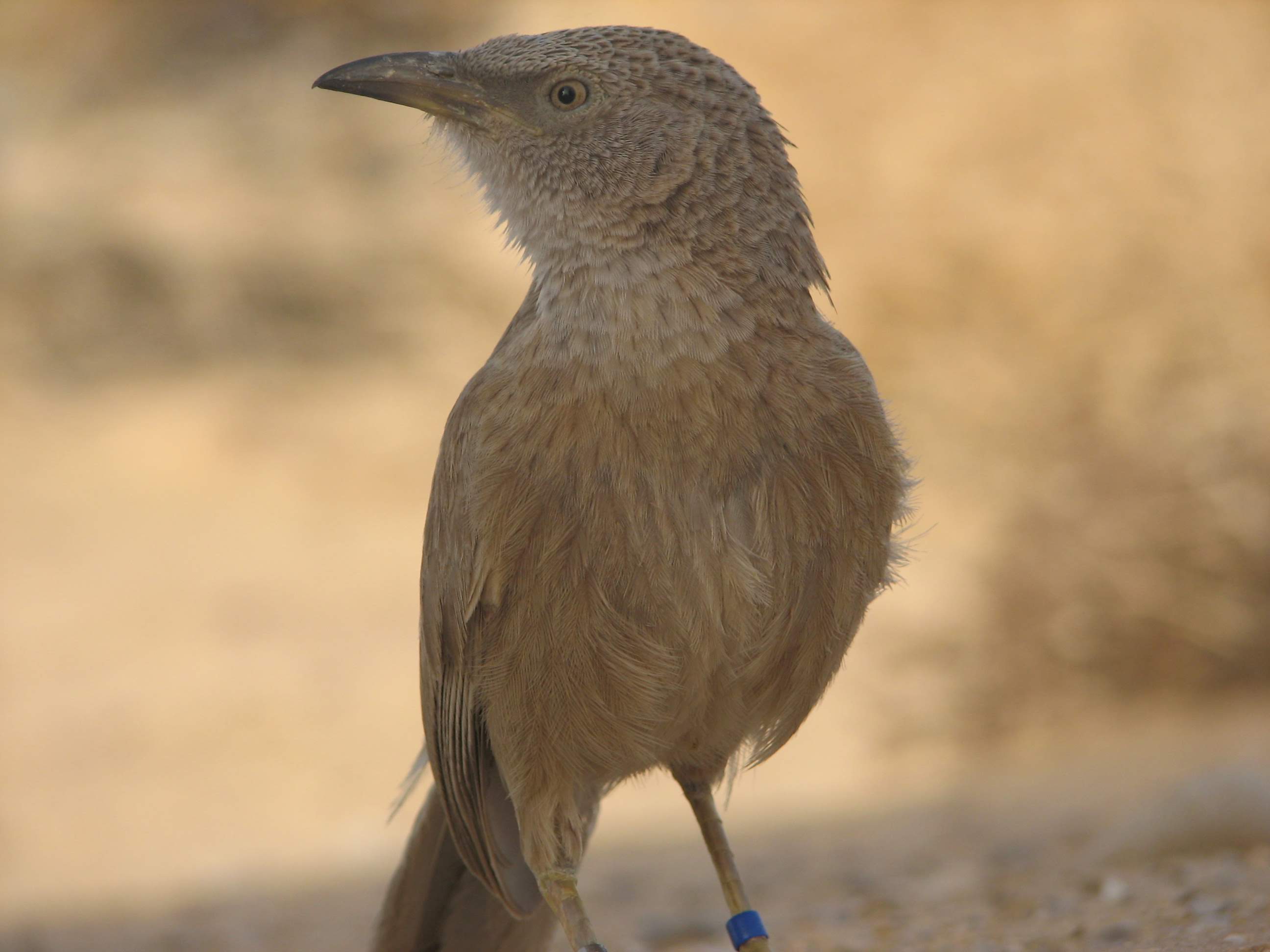
Figure 1a · A male babbler, defined by its yellow iris. Photo: Oded Keynan
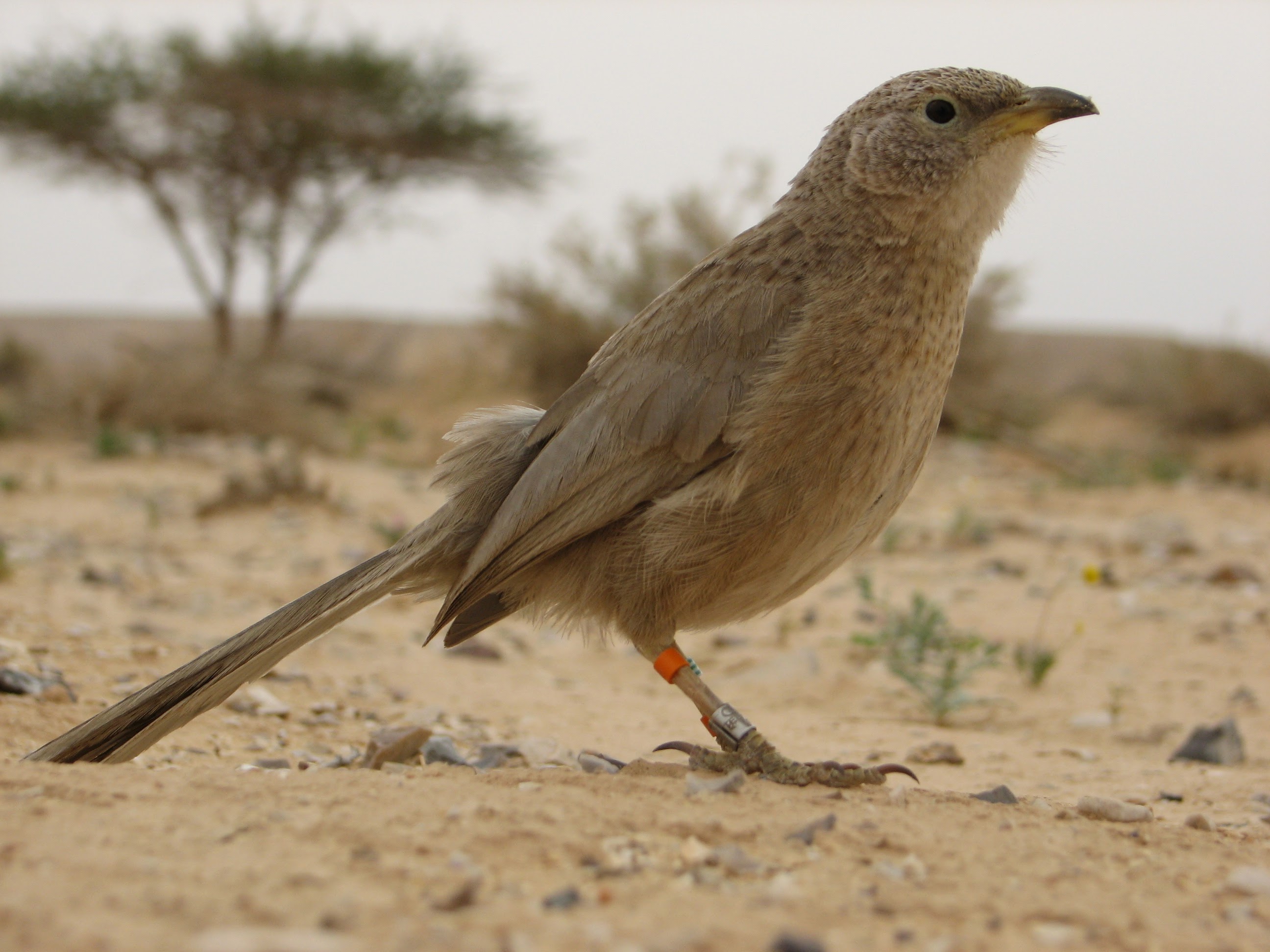
Figure 1b · A female babbler, defined by her black iris. Photo: Oded Keynan
Their breeding season usually begins when the desert briefly becomes more generous after winter rains and flash-floods bring new vegetation and insects. The dominant pair builds and uses a small cup-shaped nest, usually hidden inside a shrub or tree, while the rest of the group remains close. Once the eggs hatch, the nest becomes the center of the group's activity (figure 2). Adults and helpers repeatedly arrive with insects and other food items; sentinels watch from exposed branches, and the group moves among feeding, guarding, and maintaining contact. A successful breeding attempt is therefore the achievement of the whole group, even when most reproduction occurs by the dominant pair. In a good year, a group may attempt several nests, but in the hyper-arid desert, this effort is tightly linked to the short windows of opportunity. When heat becomes severe and food harder to obtain, breeding slows or stops, and the group returns to the daily work of surviving until conditions improve again.
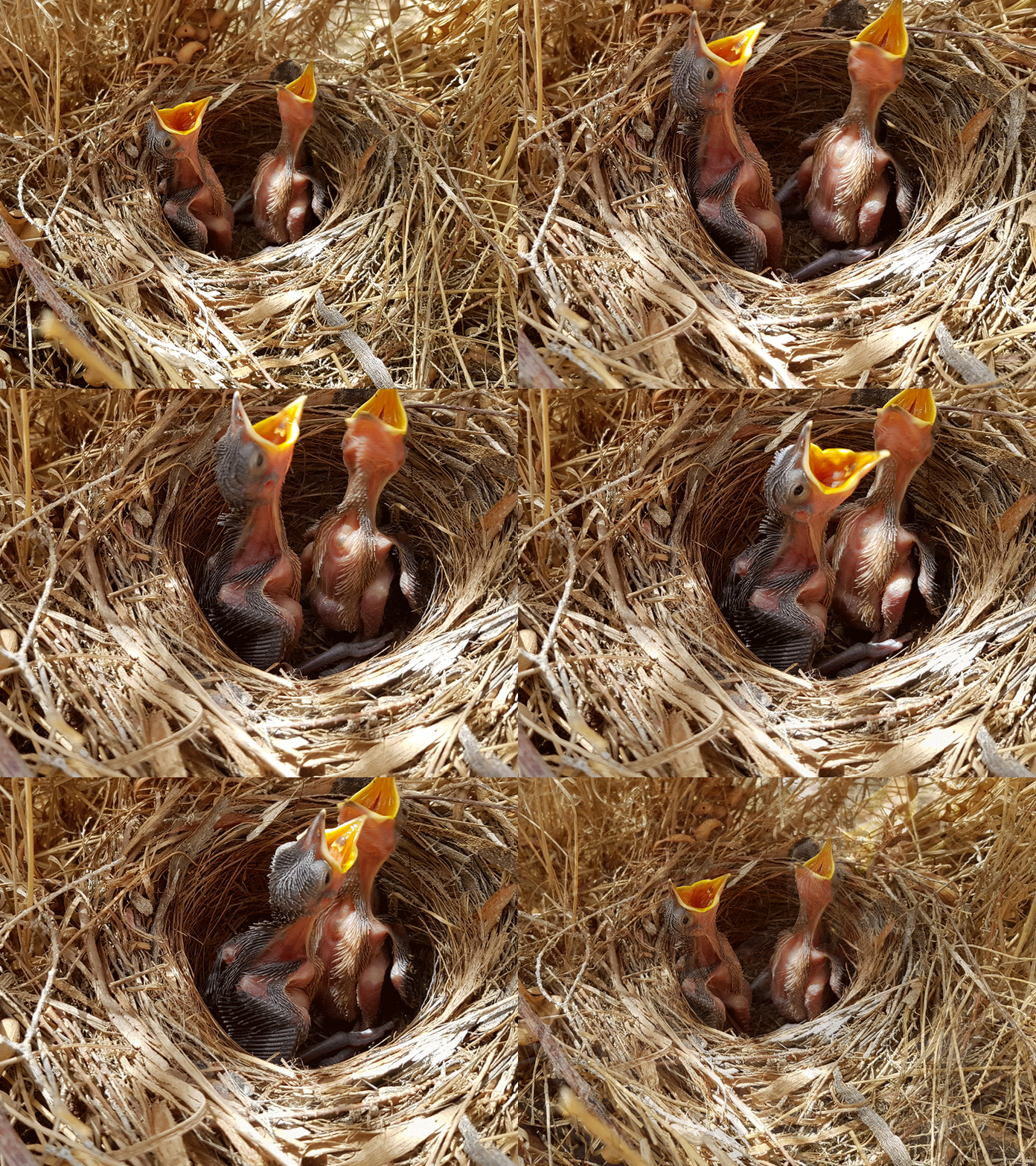
Figure 2 · Arabian babbler nestlings begging for food at the nest. Photo: Oded Keynan
The work on Arabian babblers in the Arava began with the late Professor Amotz Zahavi, a renowned scientist and environmentalist, who established the project and turned the babblers into one of the world's most important long-term systems for studying social behavior in the wild. It was built on a rare kind of field research: slow, patient, individual-based natural history. At Hazeva, in and around Shezaf Nature Reserve, babbler groups have been followed for decades across the same desert landscape. Each bird is marked with a unique combination of coloured leg rings, allowing researchers to recognize individuals by sight: who was born in which group, who became dominant, who dispersed, who disappeared, and who helped raise the next generation. Over years of careful work, the birds became habituated to the presence of observers, so researchers could walk with the groups at close range without disrupting their normal behavior. This made it possible to document the intimate details of their social lives: feeding, sentinel behavior, dominance, breeding, dispersal, roosting, and survival. (figure 3a, 3b)
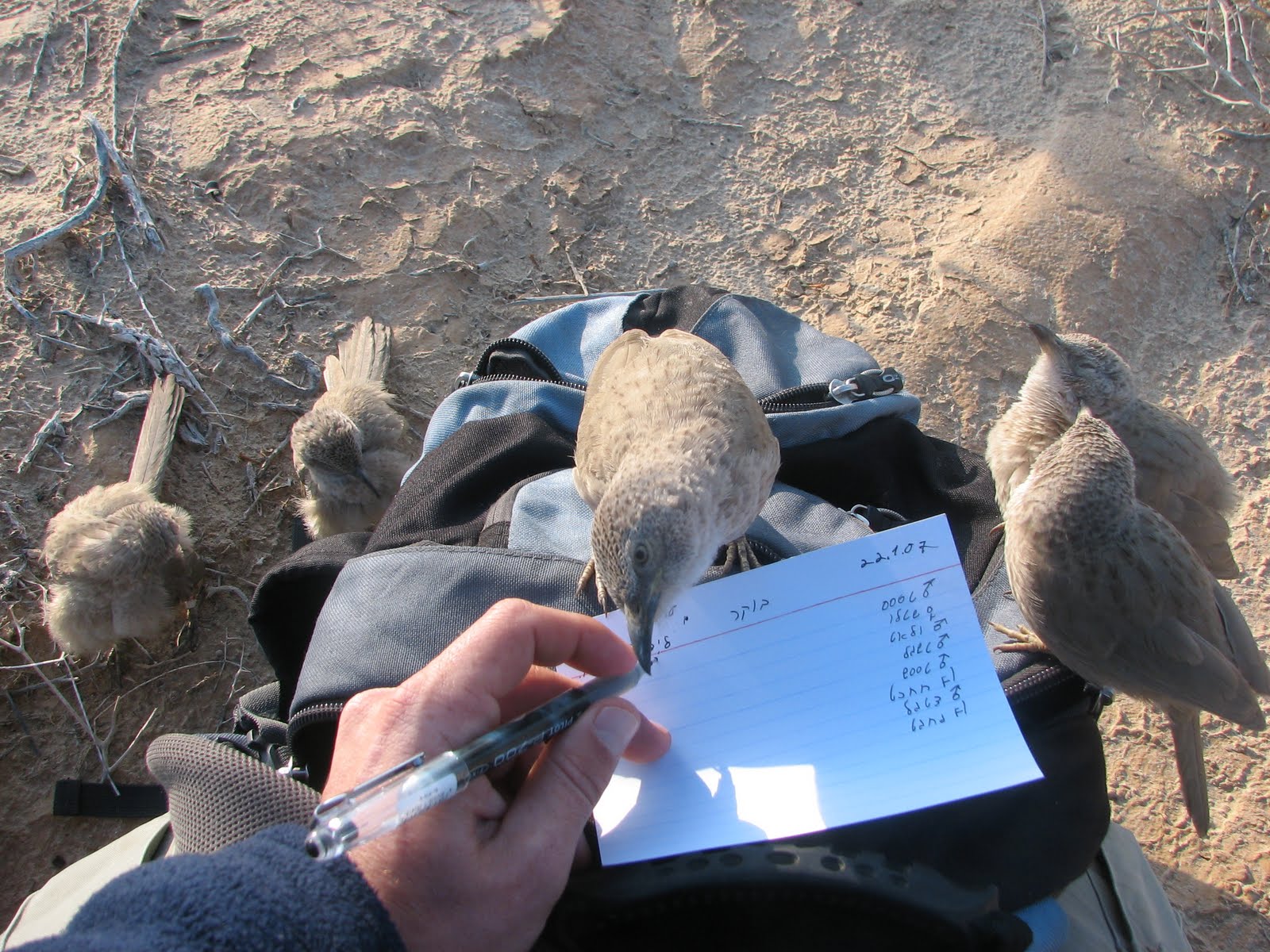
Figure 3a · Babblers foraging next to the researcher — a sign of full habituation to human presence. Photo: Oded Keynan
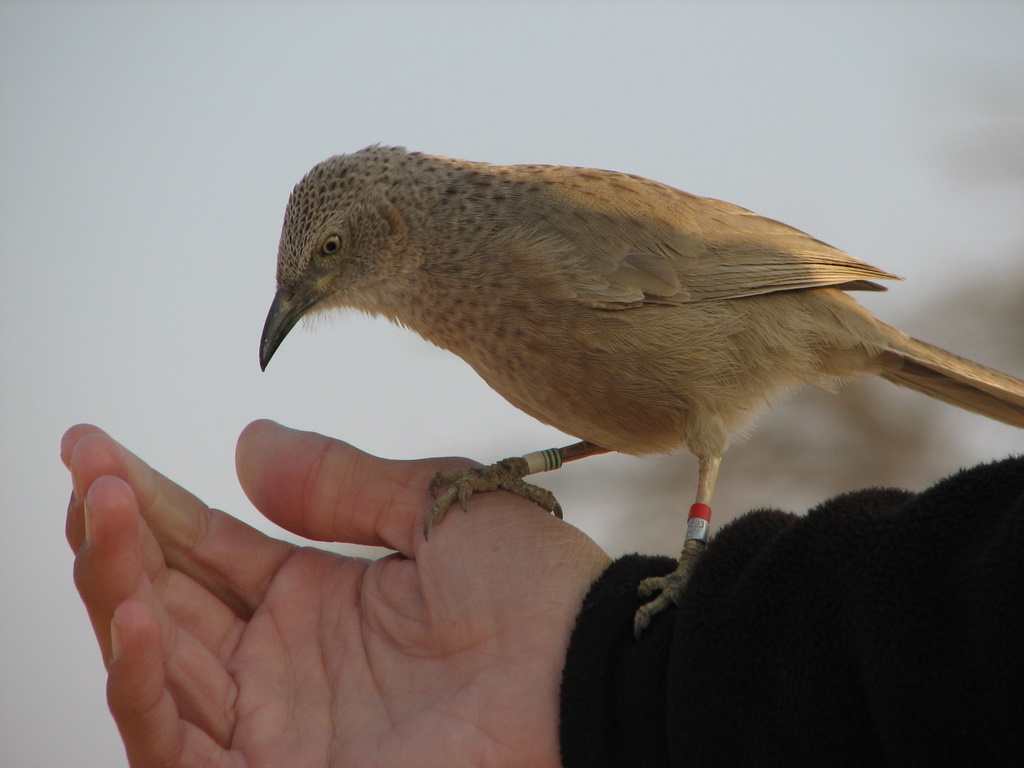
Figure 3b · VLAT, a habituated male babbler, standing on the hand of the researcher. Photo: Oded Keynan
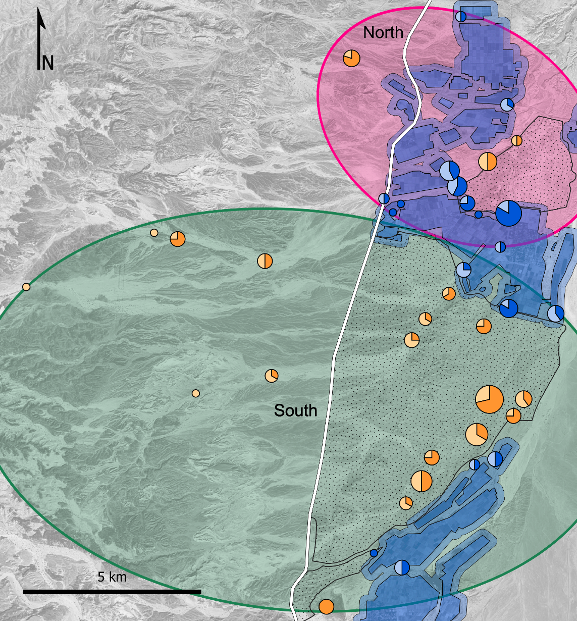
In recent years, this long-term work has been complemented by a second research station at Sde Boker, where the landscape and methods differ. There, babblers were followed using the ATLAS system — Advanced Tracking and Localization of Animals in real-life Systems. Small tags attached to the birds send signals to a network of receiving stations, allowing researchers to record their movements continuously and with high spatial accuracy. This adds a new layer to the study. At Hazeva, decades of individual recognition reveal life histories, social relationships, and population change. At Sde Boker, ATLAS shows how birds move through the landscape from day to day: where they forage, how far they travel, how they use villages, orchards, and open desert, and how neighboring groups overlap in space. (figure 4)
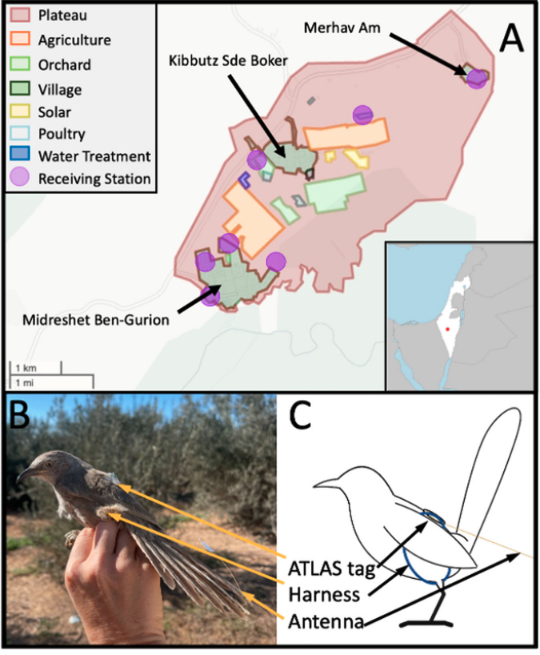
Figure 4 · Overview of the region covered by the ATLAS network around Sde Boker. A Map of the region showing habitat type designations and locations of the ATLAS receiving stations. B An adult male babbler wearing an ATLAS tag attached via leg-loop harness. C Schematic showing placement of the tag and harness. Figure from Oswald et al., npj Biodiversity 2025.
Small is Fragile
During my PhD at Tel Aviv University and Macquarie University, under the supervision of Amanda Ridley from the University of Western Australia, and Arnon Lotem from Tel Aviv University, I analyzed decades of observations from the Arabian babbler population at Shezaf Nature Reserve. My study examined what happens to a cooperative society when its groups become small.
In ecology, there is a concept called the Allee effect (figure 5). Usually, we think of density as a problem: more individuals mean more competition for food, space, mates, and shelter. But sometimes the opposite happens. At low numbers, individuals may struggle because there are too few partners, too few helpers, too little defense, or too little social coordination. Under an Allee effect, being rare is itself a disadvantage.
Each line in this graph shows how fast a population grows — or shrinks — depending on population size. The vertical axis (up–down) represents the per-capita growth rate: positive values mean the population is growing, negative values mean it is declining toward extinction. The horizontal axis (left–right) represents population size, from zero to the carrying capacity K — the maximum number of individuals the environment can support.
The red line shows a population under a strong Allee effect. It is called "strong" because the curve dips below zero at small population sizes — meaning that below a critical point called the Allee threshold (A), the population declines toward extinction. This happens for several reasons:
- Mate limitation — When too few individuals remain, finding a partner becomes genuinely difficult.
- Breakdown of cooperative behavior — Social animals depend on group size for raising offspring, sharing body heat, or coordinating hunts. Below a minimum, the group simply cannot function.
- Weakened predator defense — Collective vigilance and the safety of numbers disappear when the group shrinks. Predators become far more dangerous.
- Inbreeding — Small, isolated populations lose genetic diversity, which reduces survival and reproduction over generations.
For a cooperative breeder such as the Arabian babbler, this idea is especially relevant. A babbler group is a functioning social unit. When the group is large enough, the work of desert life can be divided among members. Some birds forage while others watch. Helpers bring food to nestlings. Group members defend the territory and maintain social contact. When the group becomes too small, the same tasks remain, but fewer birds are available to perform them.
The long-term data showed how this process unfolds in the lives of real babbler groups. Larger groups fledged more young. Reproduction itself depended on the number of birds available to help (figure 6A). A breeding pair with several helpers could feed nestlings, guard the territory, and support fledglings more effectively than a pair working with only one or two companions.
The pattern continued at the group level. Larger groups were more likely to survive from one year to the next, while small groups were more likely to disappear (figure 6B). In the desert, a babbler group has to function as a unit. It must defend a territory, find food, raise young, maintain social cohesion, and replace losses. When the group becomes too small, the same tasks remain, but the social workforce is reduced. At some point, the group becomes fragile.
The most surprising finding was that this fragility did not remain inside individual groups — it appeared at the population level. In many cooperative breeders, dispersal can soften such effects: individuals from large groups may move into smaller ones, helping weak groups recover and preventing local problems from spreading through the population. In the Hazeva babblers, this buffering was insufficient. Smaller groups did receive immigrants, and larger groups did lose individuals, but these movements did not prevent a demographic Allee effect. Population growth was higher at higher population density. When the population became sparse, it became less able to recover (figure 6C).
Over the years, the long-term data showed a decline in both group density and average group size. The population was losing birds, and the social units themselves were becoming smaller. Cooperation remained the species' central strategy, but it also created dependence. The same social life that helps babblers survive the desert becomes a vulnerability when groups shrink below the size needed to function well.
This study did not yet explain why groups were becoming smaller or why the population was declining. It clarified the kind of question that needed to be asked next. The Arabian babbler population was responding to change as a network of groups, each with its own breeders, helpers, immigrants, history, and risks. Once this became clear, the next step was to look at the changing Arava landscape and ask what might be altering survival, breeding, dispersal, and group size. That question led directly to the agricultural edge, where the desert had begun to offer babblers new resources, new opportunities, and new dangers.
The Arithmetic of Cooperation
When I completed my PhD, the question stayed with me. The Allee effect study had shown that the population was vulnerable, but it did not yet explain why groups were becoming smaller or why the population was declining. In 2015, after returning from Australia, I came back to Hazeva and continued working with Amotz Zahavi at the babbler research station. I became increasingly interested in the changing landscape around the birds. After Amotz passed away in 2017, I took over the research station and continued developing this line of work through the Dead Sea & Arava Science Center and Ben-Gurion University of the Negev. Together with Lee Koren from Bar-Ilan University, I later supervised Alejandro Alamán's PhD. Alex, who came to the babbler project from Valencia, Spain, brought a rare combination of field instinct and analytical ability. His work focused on the question that had become central to the project: how does agriculture change the life of a cooperative desert bird?
In the natural desert, scarcity is part of the social system. Food, shade, water, and breeding opportunities are limited and unpredictable. Under these conditions, staying in the group can be valuable. A young bird gains safety, experience, and the chance to help relatives while waiting for an opportunity to disperse or rise in the hierarchy. Agriculture changes this setting. Irrigation, fields, plantations, gardens, and settlements create greener and more resource-rich patches within the desert. These areas may reduce some of the ecological pressures that favour staying in the group. If food and breeding opportunities become more available, young birds may leave earlier, dominance positions may open sooner, and groups may become smaller (figure 7A–B).
The results showed exactly this — a faster rhythm, but with a clear cost. Babblers in modified habitats bred more often and produced more fledglings (figure 8A), suggesting that agriculture provides real short-term opportunities. At the same time, juveniles were less likely to survive their first year, and adults lived shorter lives (figure 8B–C). Individuals became dominant at younger ages (figure 8D), and groups were smaller than in natural habitats (figure 8E). Life near agriculture moved faster: more breeding, earlier dispersal, earlier dominance, higher turnover, and shorter survival.
This is an interesting trade-off. Agriculture offers visible signs of quality: water, shade, vegetation, and food. To a babbler, these cues may signal a good place to live and breed. But the same landscape may carry less visible risks — predators, vehicles, pesticides, disturbance, unstable resources, and weaker group structure. A territory can look productive while producing birds that live shorter lives and groups that are less stable.
This work shifted the story from population vulnerability to mechanism. The social rhythm of the population was changing. Agriculture was accelerating the life cycle of a species whose success depends on stable groups, delayed dispersal, and cooperation across years.
The next step was to ask whether the faster rhythm of life near agriculture changed the inner structure of babbler groups. If modified habitats lead to earlier dispersal, higher turnover, and greater movement between groups, the effect should appear in kinship patterns. In a cooperative breeder, this is a key question. Helping is affected by relatedness: a bird that feeds siblings or close relatives can gain evolutionary benefits even before it breeds.
To test this, we combined genetic sampling with the long-term field records from Hazeva. Between 2021 and 2023, we sampled 211 babblers from 43 social groups (figure 9), analysed microsatellite markers, and linked the genetic data to decades of social records and pedigree information. This allowed us to ask whether agriculture had altered dispersal, relatedness, and family composition in babbler groups.
One possible explanation was that agriculture might fragment the population by reducing movement between natural and modified habitats. The genetic data did not support this. Natural and modified habitats remained connected, gene flow was high, and genetic differences between them were weak. Birds were still moving across the landscape.
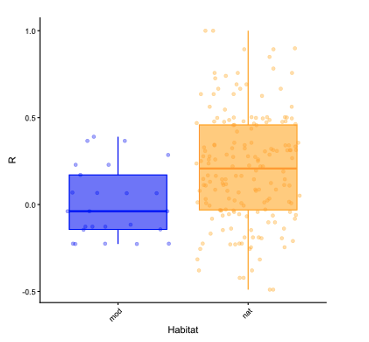
The stronger signal appeared inside the groups. Groups in modified habitats contained more unrelated or distantly related individuals than those in natural habitats (figure 10). In natural desert settings, groups were more consistently built around kin. Near agriculture, groups became more mixed social units, likely because higher turnover, greater immigration, and more frequent vacancies reshaped group composition.
The sex-specific results further refined the picture. Arabian babblers were long described as having female-biased dispersal. The genetic data suggest a more precise pattern. Females may not leave more often, but when they leave, they tend to move farther. Males frequently remain near their natal area, making neighboring male groups more genetically similar. Females, by moving longer distances, weaken the local family pattern and lower the likelihood of breeding with close relatives. Agriculture seems to increase local movement, especially among males, as smaller groups and more frequent vacancies create nearby opportunities.
This brings the story back to cooperation — the defining feature of babbler society. Cooperative breeding is often explained through kin selection: individuals can increase their evolutionary success not only by producing their own offspring, but also by helping relatives survive and reproduce. In a group largely composed of siblings, offspring, parents, and other close kin, helping behavior can be favored because the benefits remain within the family. Feeding nestlings, defending the territory, acting as sentinels, or assisting breeders all support genetically related individuals.
When more unrelated birds join the group, cooperation can persist, but its foundations become more complex. Helping a sibling is not the same as helping a distant relative, and both differ from helping an unrelated group member. As average relatedness declines, the indirect genetic benefits of cooperation weaken. Individuals might depend more on direct benefits — gaining protection, securing future breeding opportunities, improving social status, or remaining within a territory that provides access to resources.
The genetic results point to a greater effect of agriculture and bring the story back to the "live fast, die young" life history pattern seen in modified habitats. Where food is abundant and breeding opportunities appear more quickly, babblers seem less tied to their natal groups and more willing to move when opportunities arise. This higher turnover weakens kinship within groups, as more unrelated individuals join and fewer groups stay centered on close family members. In turn, weaker kinship may reduce the importance of family-based cooperation, creating an intriguing feedback loop: abundant resources encourage a faster, more opportunistic lifestyle, which erodes relatedness within groups and may gradually undermine the cooperative social structure that originally evolved around kin.
Between Desert and Village
Using the ATLAS tracking system established in the Sde Boker region, Krista Oswald, a postdoctoral researcher with Uri Roll and Oded Berger-Tal from Ben-Gurion University of the Negev, led a new line of work on babbler movement and habitat use. I joined them in this research, bringing the long-term perspective from Hazeva and the questions that had emerged from our work on agriculture, dispersal, and group structure. Krista, who arrived from Canada as an excellent field biologist and birdwatcher, spent long periods banding birds, attaching ATLAS tags, following groups, and using nest cameras to understand how movement, habitat use, and breeding were connected. The tracking data gave us a detailed picture of how babblers moved through the landscape, revealing patterns that would have been difficult to detect through direct observation alone.
The first clear pattern was seasonal. In late summer, when the desert was hot and dry, babblers used villages more often, probably because these areas offered water, shade, gardens, food waste, insects, and other resources. As conditions cooled toward winter, the birds shifted back to the semi-natural plateau. Their home ranges became smaller, and neighboring groups overlapped more. This suggests seasonal flexibility: when the natural habitat becomes too harsh, birds move closer to human resources; when conditions improve, they return to the open desert (figure 11).
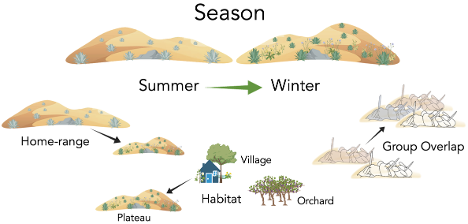
This flexibility also suggests that group boundaries in Sde Boker may be less rigid than the classic view of babbler territories. As in Hazeva, modified habitats seem to encourage a looser social landscape with more movement, overlap, and weaker separation between groups. At the same time, the Sde Boker results highlight that it is not agriculture alone that matters but the type of agriculture and the landscape structure. A striking example was a roughly two-kilometre stretch of uncultivated agricultural land between Kibbutz Sde Boker and Midreshet Ben-Gurion. Although it appeared open, babblers neither used nor crossed it, suggesting that even bare agricultural areas can act as barriers. This helps explain why Hazeva may be more fragmented. The Arava landscape contains dense plantations, greenhouses, and infrastructure that likely create stronger barriers to movement than the more open agricultural mosaic around Sde Boker. Together, these results suggest that the social and spatial effects of human-modified habitats depend not only on the presence of agriculture but also on the landscape's permeability.
The breeding study added another layer. During the nesting period, ATLAS and nest cameras showed where adults went while feeding chicks. Orchards appeared beneficial: nestlings were heavier when adults spent more time foraging there, probably because orchards provide insects, shade, vegetation, and moisture with low disturbance. Villages showed a different pattern. Groups nesting farther from villages used smaller daily areas and had heavier nestlings, suggesting that proximity to villages may carry costs — disturbance, predators, domestic animals, or lower-quality foraging.
When the Extreme Becomes Harsher
The final step in the group-level story was to bring climate change into the same frame. By now, the Hazeva studies had shown that agriculture changes the pace of babblers' lives, and the Sde Boker studies had shown that human-modified landscapes are patchy, dynamic, and sometimes contradictory. Our third paper returned to the long-term Hazeva data to ask what happens when this altered landscape meets a warming desert.
For this final group-level study, Alex, Lee Koren, and I returned to the long-term Hazeva data, this time with Amanda Ridley from the University of Western Australia, who had supervised my PhD, and Martha Nelson-Flower from Langara College in Vancouver, who brought extensive experience with the pied babbler system in Namibia. Together, we examined how habitat, rainfall, heat, helpers, reproduction, and survival interact in a desert that is becoming hotter.
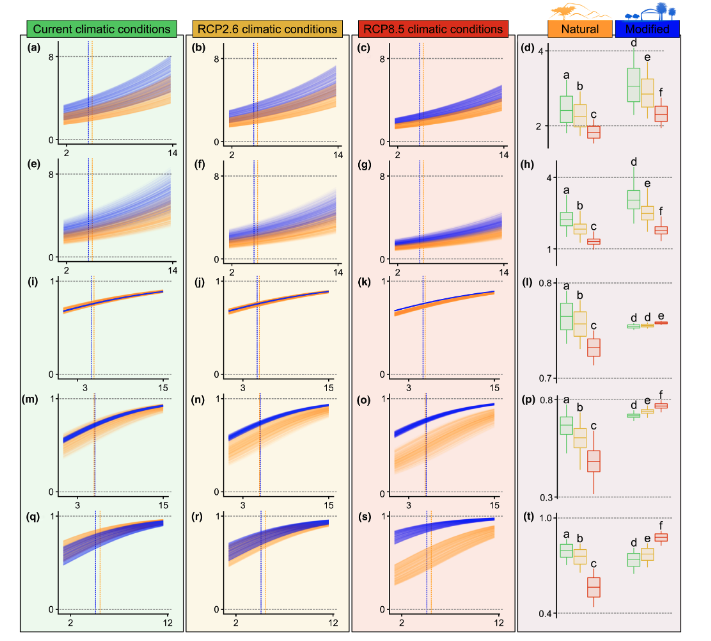
The study showed that the effects of climate change depended on habitat type. In natural habitat, babblers remained tied to the desert's old rhythm: rain opened a short window for breeding, while heat reduced survival. Modified habitats softened some of these climatic pressures. Irrigation, shade, vegetation, and human-associated resources may help birds breed even when the surrounding desert is dry or hot.
But the same modified habitats had been shown to produce smaller, less stable groups. This is the tension that closes the long-term story. Agriculture may buffer the desert's harshness, but it can also weaken the social structure that allows babblers to cope with harshness. Helpers still mattered. Larger groups did better. Even in a greener landscape, cooperation remained part of the species' resilience.
The future models sharpened this point (figure 12). As the desert warms, natural habitats are expected to become more difficult to sustain, while modified habitats may offer partial relief. Yet this relief depends on human decisions: irrigation, crops, pesticides, roads, predators, and land management. It is not a secure refuge but a changing human-made one.
This paper completes the population and group-level arc. The future of the Arabian babbler will not be shaped by climate alone or by agriculture alone, but by the interaction between heat, rainfall, habitat, and social structure. To understand how this interaction enters the lives of birds, we now have to move closer: from populations and groups to the daily behaviour of individuals.
The population story ends with a clear conclusion: climate change does not act on babblers from a distance. It enters the system through habitat, group size, and cooperation. But ultimately, it reaches the body of a single bird — determining when that bird can leave the roost, how long it can search for food, and whether the food it finds is enough to survive the summer.
Trapped Between Darkness and Heat
The final part of the story moves from groups and landscapes to the daily lives of individual birds. Together with Yitzchak Ben Mocha from the University of Konstanz and other colleagues, I studied how rising temperatures affect how Arabian babblers use the day: when they leave the roost, when they return, how long they can forage, and what happens when the desert's coolest hours become shorter.
During summer, babblers are most active during the coolest parts of the day. They leave their roosts at first light, search for food in the morning, rest during the hottest hours, and become active again in the evening. As the desert gets hotter, their schedule shifts even more to the edges of the day. After especially hot days, they leave the roost earlier in the morning and return later in the evening (figure 13).
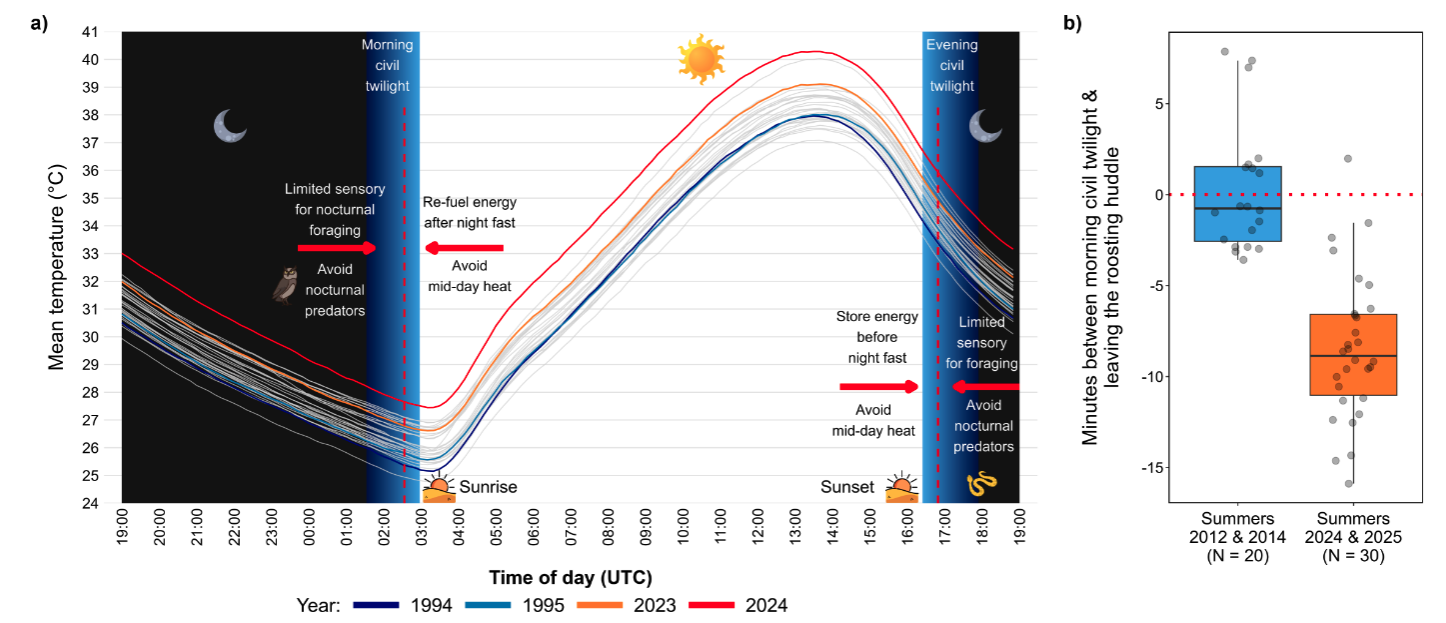
The change in timing is small, but it matters a lot. Around civil twilight, the sun is still below the horizon, but there is enough light for birds to move and forage. These minutes let them take advantage of cooler air before the day heats up or after it starts to cool down.
There is not much more the birds can do to adjust. Arabian babblers are active during the day. In the dark, they cannot see as well, find less food, and are more at risk from night predators. Heat pushes them to the cooler parts of the day, but darkness keeps them from going any further.
The second study explains why those cooler minutes matter. Foraging is the daily economy of survival: time and energy are spent searching, digging, gleaning, and catching food, and the return is measured in biomass. Under moderate conditions, this exchange can work well. Under extreme heat, it begins to fail.
The foraging data revealed a clear trend. At moderate temperatures, babblers got more food with less effort. When it was hot, especially on days that were very difficult because of the heat, the birds had to work harder but found less food. In the worst heat, they kept searching but got very little in return. So, heat makes them work more and get less back (figure 14).
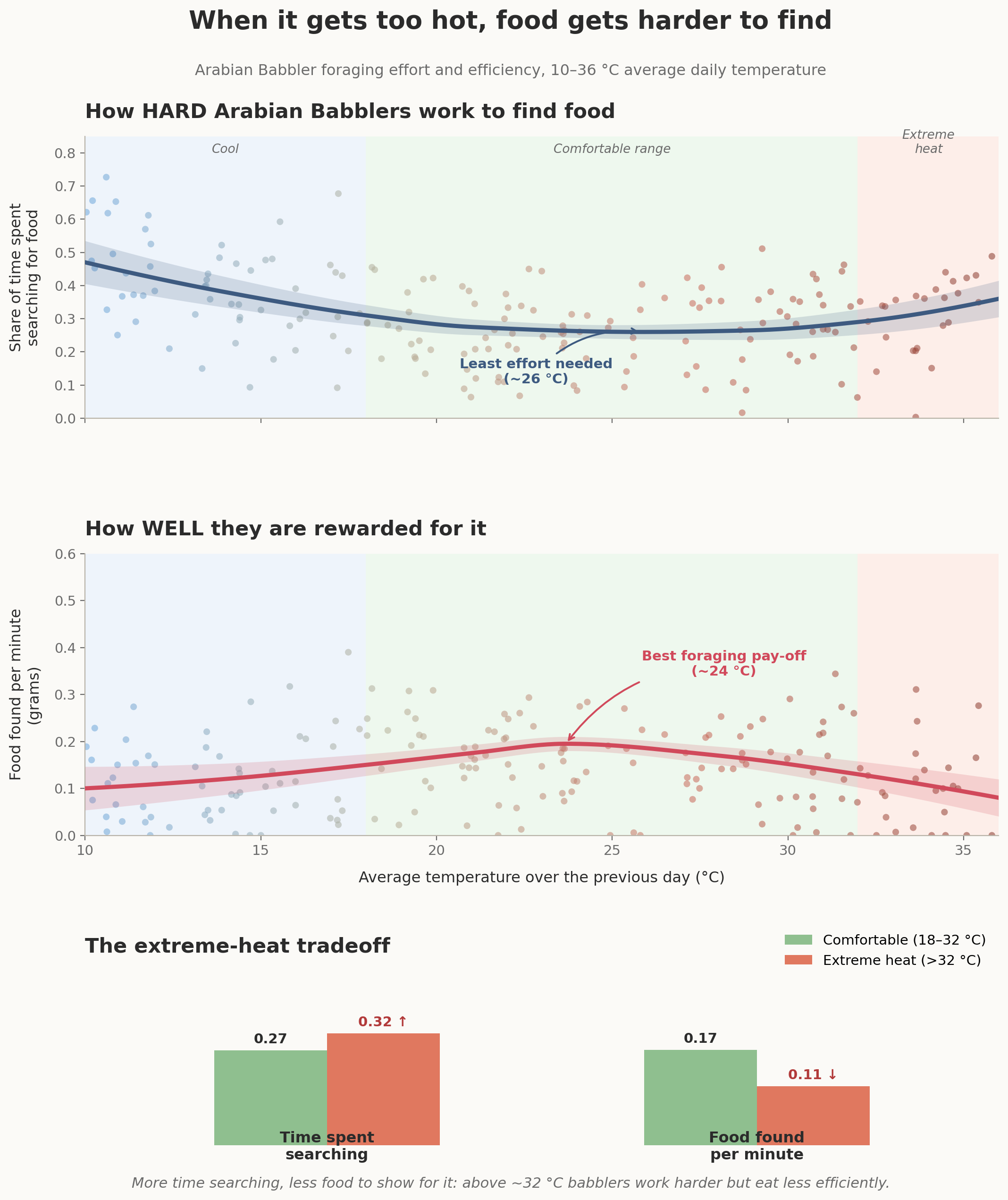
This changes the meaning of summer. A hot day can become one in which a bird struggles to replace the energy it spends. When such days occur one after another, the problem becomes chronic. The recent increase in thermally constraining days at Shezaf suggests that the difficult part of the year is expanding into a longer seasonal bottleneck.
The two studies complete the logic of the review. At the population level, smaller groups are more vulnerable. At the habitat level, agriculture can provide resources while weakening social structure. At the group level, helpers still matter. At the individual level, heat changes the basic routine of survival. A babbler can start earlier, finish later, and keep searching for food, but each of these responses has limits.
This is the last part of the story: climate change as a daily struggle between light, heat, and hunger. Scientists may use models to predict the future of the population, but it all starts each morning when a bird leaves its roost before the desert gets too hot and tries to find enough food before the heat ends the day.
What One Small Bird Can Tell Us About a Changing World
Our journey started with a small brown bird darting between acacia trees beneath the shimmering heat of the Arava. The Arabian babbler, at first, seems like just another desert dweller, perfectly tuned to its harsh home and unique routines. Yet as we trail its path, the story unfolds and grows. Within its groups, we witness the intricate architecture of cooperation: what forges these bonds, what sustains them, and what threatens to unravel them. Their lives reveal that helping is always woven into the fabric of ecology, shaped by kinship, scarcity, risk, opportunity, and the very contours of the land.
This is why long-term research matters. Decades of observations can show how behaviors relate to survival, reproduction, dispersal, climate, agriculture, and a population's future. New technologies, from genetic tools to ATLAS tracking, add further layers: who is related to whom, where birds actually move, which habitats they use, and which places they avoid.
Through the babblers, the desert reveals its hidden script. Agriculture can shelter, connect, or divide. Climate change makes foraging tougher, shrinks groups, ends breeding hopes, and empties once-thriving territories. Cooperation is not set in stone; it pulses and shifts, a living answer to the challenges of the land.
The Arabian babbler, then, opens a window onto the wider workings of nature. Social life is molded by the land, and as the land shifts, so too do the bonds between creatures. In an era of rapid climate change and expanding human reach, this unassuming desert bird offers both a warning and an opportunity: by unraveling the ties among behavior, cooperation, habitat, and climate, we gain a clearer vision of the desert's future.
By unraveling the ties among behavior, cooperation, habitat, and climate, we gain a clearer vision of the desert's future.
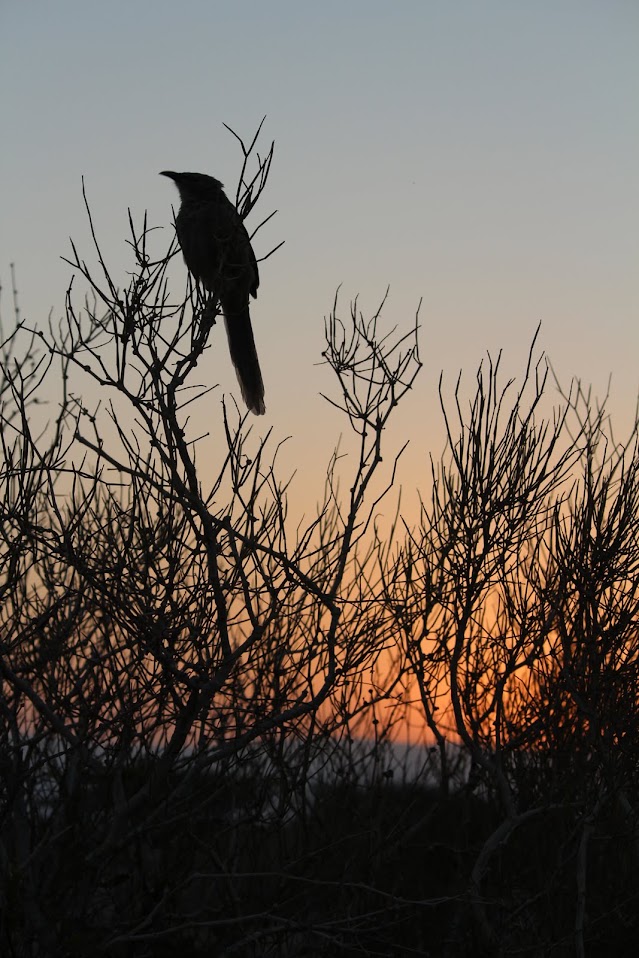
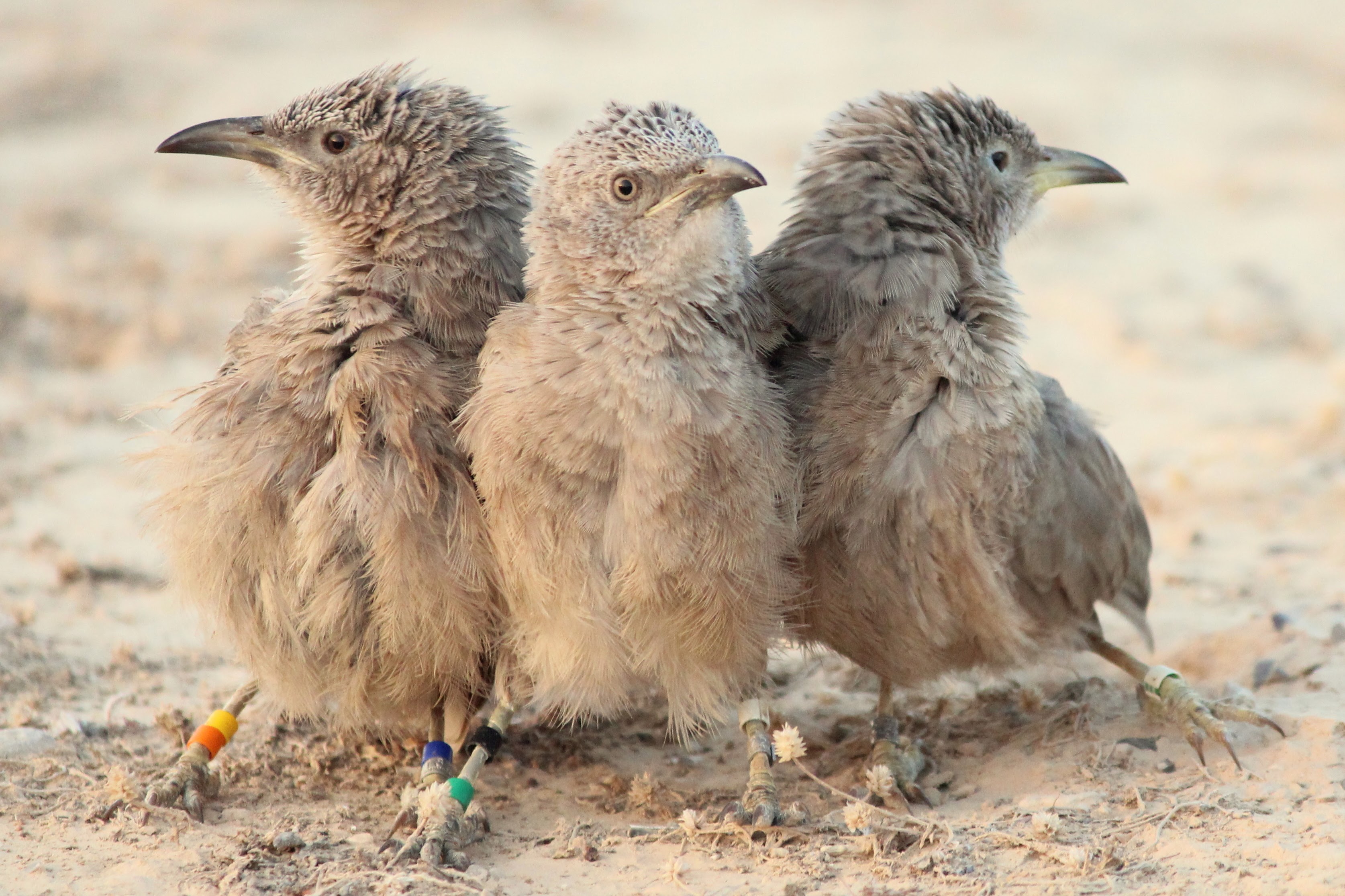
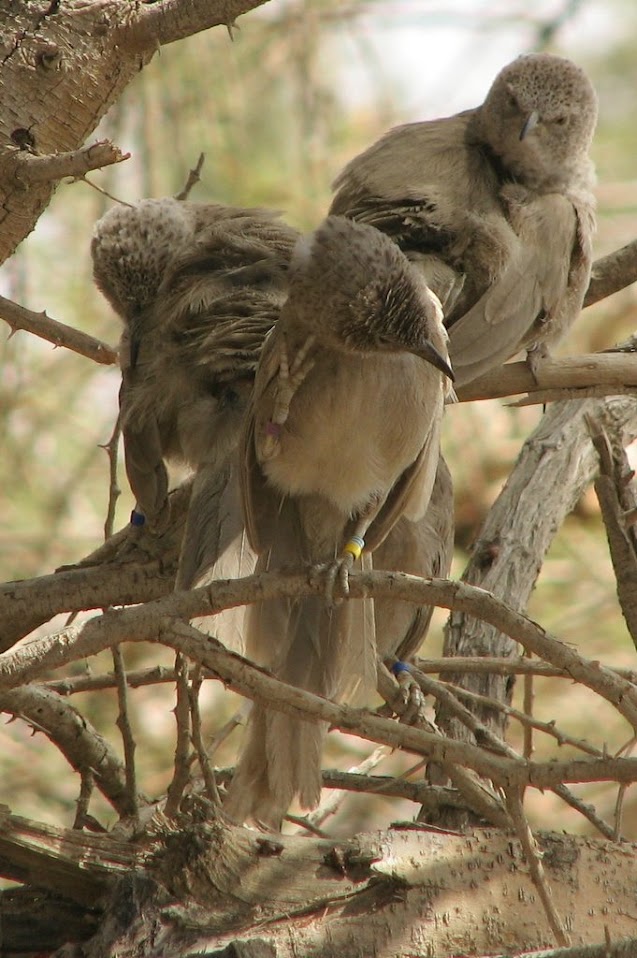
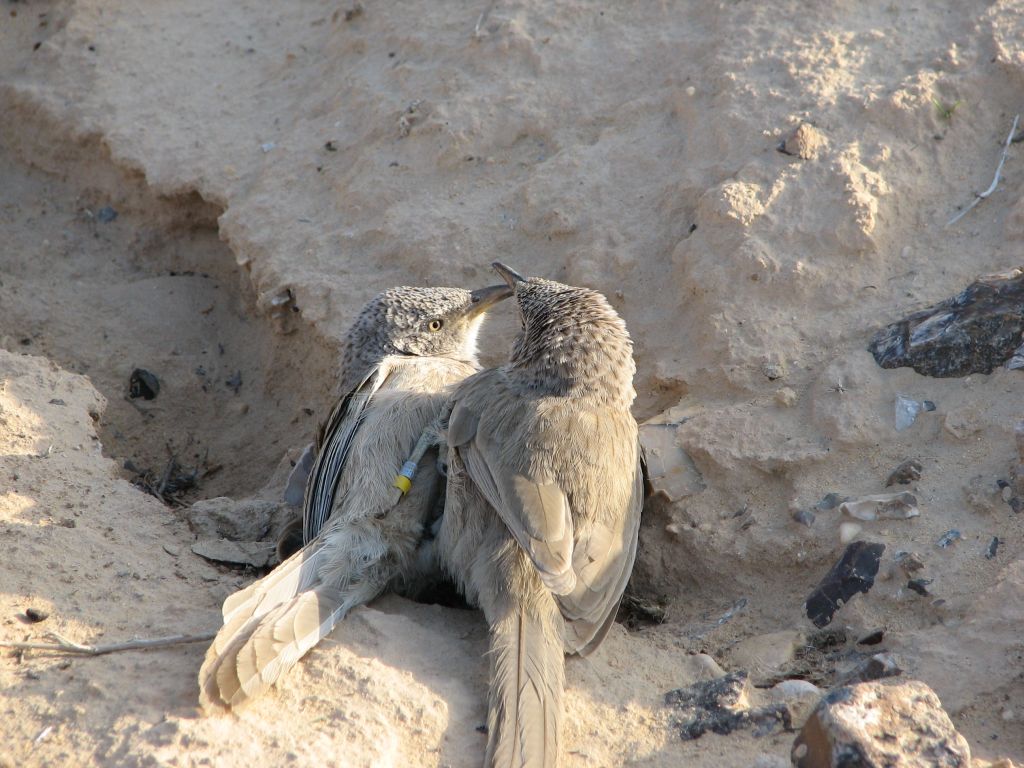
All photographs by Oded Keynan · Shezaf Nature Reserve & Arava Valley, Israel